Maintenance Management

From Maintenance Events to Lifecycle Governance
Maintenance work does not end when a task is completed. Teams still need to know what was done, which configuration is active, which test evidence supports the result, and what follow-up is still open. Maintenance Management connects these details to the asset record, so engineering, maintenance, service, and asset teams can work from a reliable context rather than rebuilding history from scattered files.

Challenges
When Maintenance Gaps Become Risks
Maintenance activities generate critical data throughout an asset’s lifecycle. When maintenance records, configurations, and test evidence are disconnected, every handover, review, and follow-up takes longer than it should.
Fragmented records
Maintenance data is often scattered throughout test devices, spreadsheets, folders, and test reports. A common structure rarely connects these data sources. Without a managed database, teams spend time reconstructing asset history instead of understanding status, risks, and next steps.
Weak handovers
Maintenance work often involves collaboration among engineers, field teams, service providers, and asset managers. When responsibilities, evidence, and follow-up actions are not documented in one workflow, open issues can disappear between teams.
Unclear changes
Settings, firmware, test templates, and maintenance activities change over time. If the “what changed and from whom” story is not captured with the asset record, teams cannot reliably confirm which configuration was active during a test, intervention, or incident.
Inconsistent assessments and reporting
Without standardized processes and structured data models, asset assessments and reports are not created consistently across teams and regions. Criteria, formats, and evaluation methods vary, making comparisons difficult and limiting benchmarking between fleets and projects.
Limited lifecycle traceability
Asset information from factory acceptance testing, commissioning, and field operations are rarely linked by a continuous digital thread throughout an asset lifecycle. Documentation may exist, but it is not consistently structured or version-controlled. This makes it difficult to track changes over time, compare FAT to field results, or analyze long-term trends.
Traceability by Design
Maintenance management is more than completing tasks. Each activity should remain linked to the asset, configuration state, test result, responsible person, and follow-up decision. When this evidence is captured as part of the workflow, it provides team support for reviews, audits, incident analysis, and future maintenance planning without having to search through disconnected files.
Maintenance context: asset, configuration, test evidence, responsible person, follow-up action.
Lifecycle stages: factory acceptance testing, commissioning, maintenance, decommissioning
Capabilities
Turning Lifecycle Data into Actionable Insights
Asset lifecycle management relies on structured asset records, consistent evaluation methods, and accessible historical data. Modern asset platforms enable teams to organize test results, maintain asset documentation, and track asset performance over time. Integrated analytics, standardized assessment workflows, and centralized reporting help engineers and asset managers to evaluate asset condition, compare results across fleets, and maintain reliable documentation for long-term asset management.
Recommended Solutions
Governing Maintenance from End-to-End
Maintenance work only creates long-term value when each activity remains connected to the asset, configuration state, test evidence, and follow-up decision. Our solutions help utilities, asset owners, and service providers structure maintenance records from factory acceptance testing through each lifecycle stage. Shared asset identifiers, controlled workflows, and exportable evidence packages keep historical data accessible, so teams can verify what was done, compare results over time, support condition-based maintenance, and reduce the effort required to rebuild asset history.
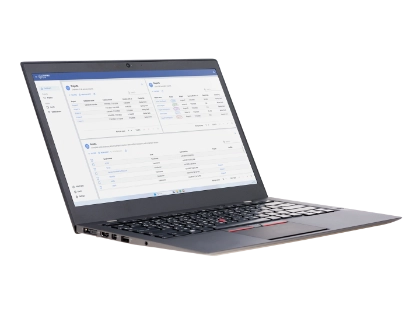
ADMO with InSight - Governance and traceability for maintenance workflows
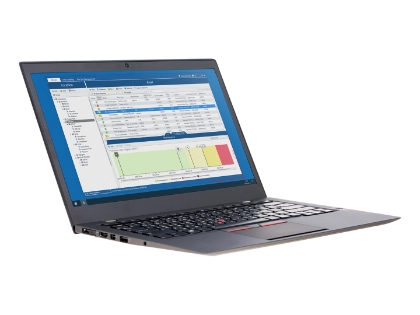
CORTEX Grid – Data-driven insight across the asset lifecycle
Related Products
Can OMICRON Maintenance Management application solutions replace our enterprise maintenance system (EMS)?
No. Enterprise systems such as EAM continue to manage work orders, costs, approvals, and commercial asset data. Maintenance Management complements them by structuring a technical maintenance record that includes configuration history, firmware status, test documentation, maintenance events, and supporting evidence. This distinction also aligns with ADMO’s positioning guidance.
How do OMICRON Maintenance Management application solutions assist our maintenance teams in their daily work?
It gives teams faster access to the information they need before, during, and after maintenance work. They can see asset history, relevant documents, configuration context, open follow-ups, and maintenance status without having to search through disconnected files and tools.
Do OMICRON Maintenance Management application solutions support field teams and external service providers?
Yes, this solution provides the latest version of the Asset Nameplate and Settings. It automatically merges new test results with the asset history and reveals any conflicts in the asset information during testing.
How can I keep my maintenance data traceable over time?
Each maintenance activity can be linked to the asset, configuration state, test evidence, responsible person, and follow-up action. This creates a continuous history that supports condition-based assessments, audits, incident analysis, and future maintenance planning.
How does this support condition-based maintenance?
Structured maintenance and test history make it easier to compare results, identify trends, and prioritize follow-up actions. CORTEX Grid can use this lifecycle data to support benchmarking, condition insights, and maintenance decisions.
Looking for some guidance on this topic?