News
Essential Insights: The Basics of Rotating Machine Testing
May 31, 2026
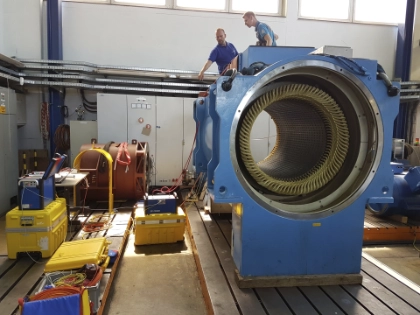
Rotating machines – from turbogenerators to industrial motors – are vital to the energy value chain. Constant stress causes insulation degradation, often leading to invisible faults. Without early detection, these issues lead to costly outages or catastrophic failures. We provide you with diagnostic data during offline testing and online monitoring to assess machine health. Our solutions help maintenance teams manage risk, ensure safety, and maintain long-term reliability.
Efficiency and cost are survival strategies. As machines age, condition-based maintenance replaces obsolete time-based methods to prioritize high-risk assets, ensuring performance without downtime.
Safety and grid standards now require documented asset health. Repeatable data proves compliance and serves as a differentiator for machine operators by ensuring future machine reliability.
Operating machines at their limits increases stress and insulation failure. Hidden defects cause costly outages. Early diagnostics are vital for protecting the bottom line and avoiding catastrophic failures.
Our solutions support a wide range of testing and monitoring methods for rotating machines. Standardized workflows guide users through setup, execution, and evaluation, reducing complexity and errors.
12+
12+
15-30 %
100 %
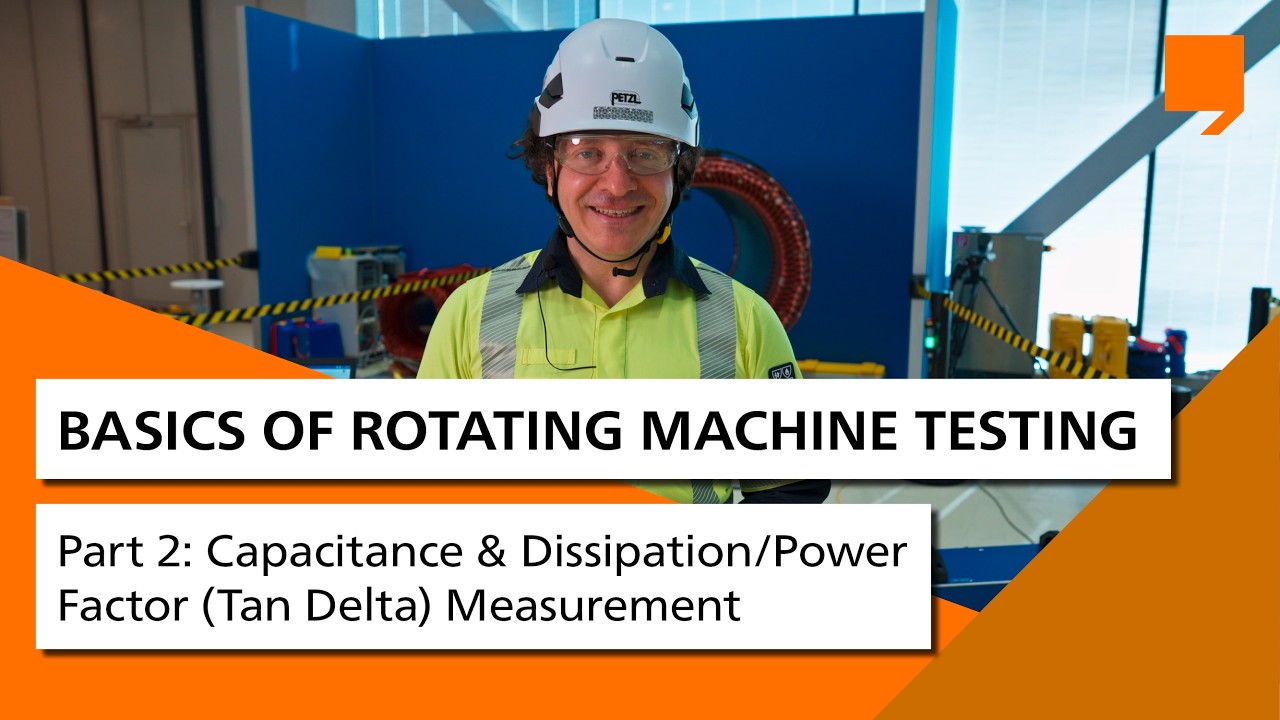
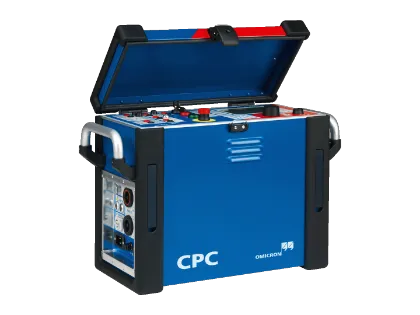
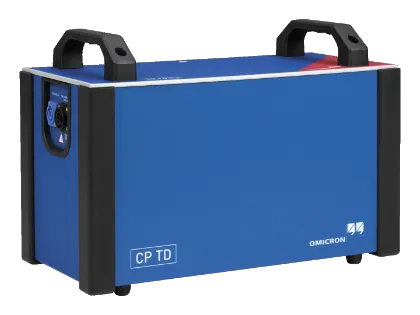
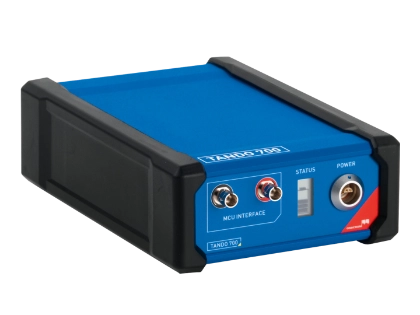
The capacitance and dissipation/power factor (Tan Delta) measurement is an offline AC test that evaluates stator ground wall insulation by measuring the ratio of resistive losses to capacitive current. It serves as a comprehensive "health check" to detect general aging, thermal degradation, moisture, and delamination, enabling trend analysis throughout the insulation’s life. The test is performed during maintenance outages according to the IEC 60034-27-3 or IEEE 286 standard using tools such as our CPC 100 with CP TD12/15 and the optional CP CR600 or our TANDO 700 testing solution.
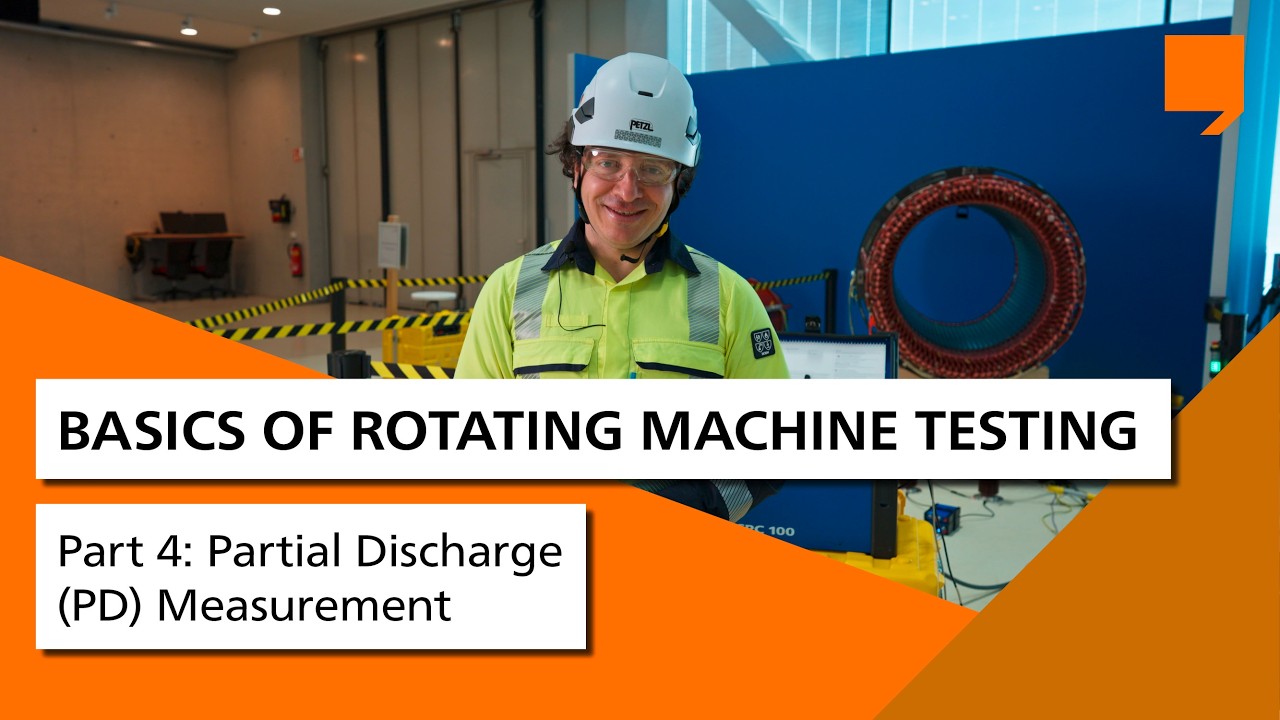
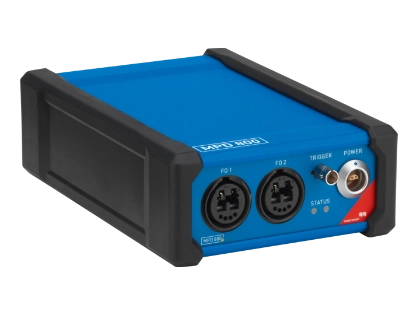
Offline Partial Discharge (PD) testing is a sensitive diagnostic method for detecting localized insulation defects like voids, delamination, deterioration of semiconductive layers, or surface tracking in stator windings. Energizing the machine with an external source allows it to capture high-frequency pulses resulting from these defects at an early stage. Unique PRPD patterns help experts classify specific defects by their level of urgency. The PD test is performed to ensure high-quality insulation with tools such as our MPD 800 system during factory tests, commissioning, and maintenance outages according to IEC 60034-27-1, IEEE 1434, and IEC 60270 standards.
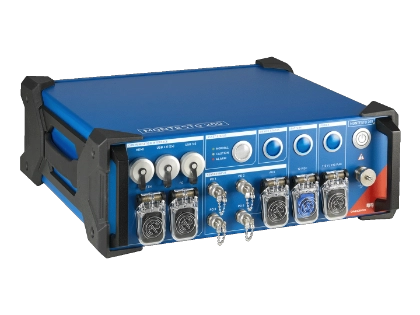
Online Partial Discharge (PD) monitoring tracks insulation quality continuously under real-world operating stresses–such as electromagnetic forces and thermal cycles–which offline tests cannot replicate. By detecting degradation in real time, this approach enables proactive, condition-based maintenance that minimizes unplanned downtime and prevents costly stator failures. By using permanently installed sensors to detect high-frequency pulses, PD monitoring identifies load-dependent defects, like coil loosening and end-winding contamination. It enables condition-based maintenance, following standards like IEC 60034-27-2 to track degradation rates. We recommend MONTESTO 200 for portable temporary monitoring "spot checks" or our PARAGEMO 400 for permanent, 24/7 monitoring of your most critical generators and motors.
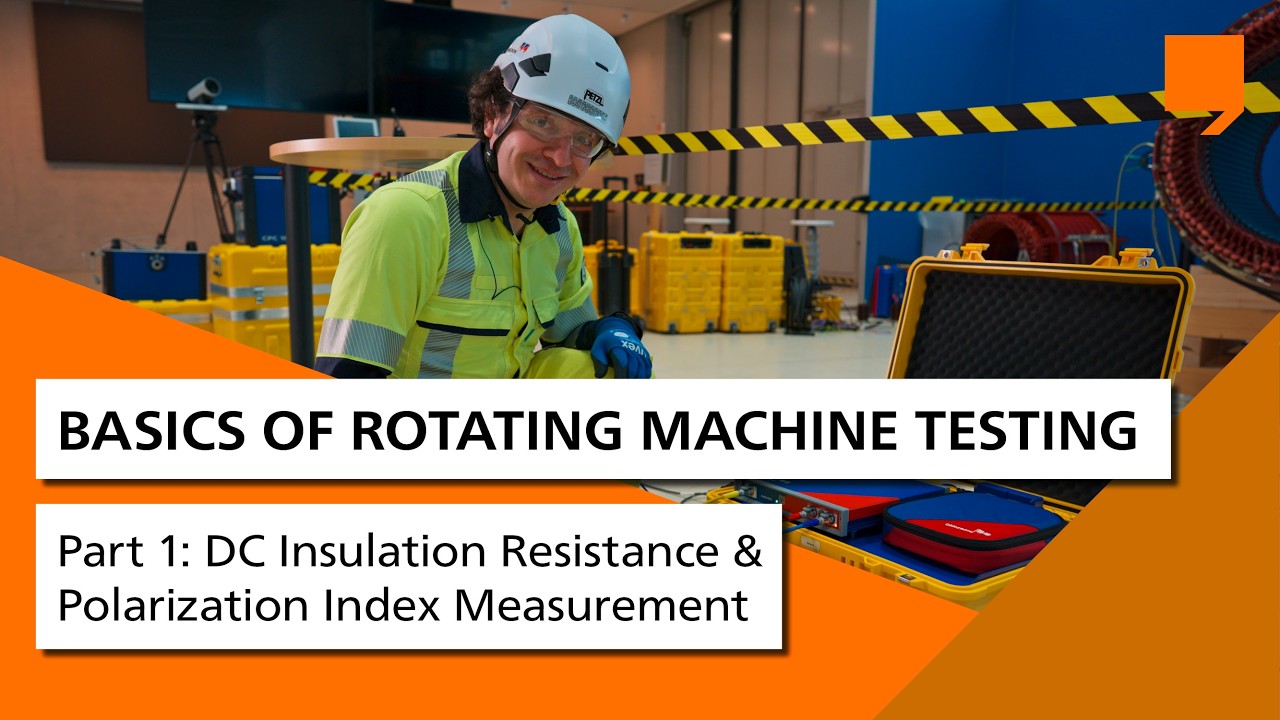
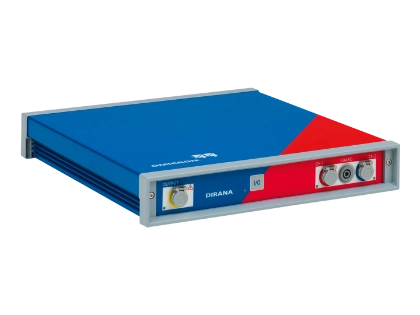
Insulation Resistance (IR) and Polarization Index (PI) measurements are fundamental offline checks for stator ground wall insulation. IR measures resistance with DC voltage to detect surface moisture and contamination, while PI – the 10-to-1 minute resistance ratio – evaluates insulation polarization. These tests reveal major insulation issues, providing a "go/no-go" signal before energization. They are performed annually or before restarting a machine according to the IEC 60034-27-4 or IEEE 43 standard. We recommended our DIRANA system for this analysis, which offers high-precision metrics.
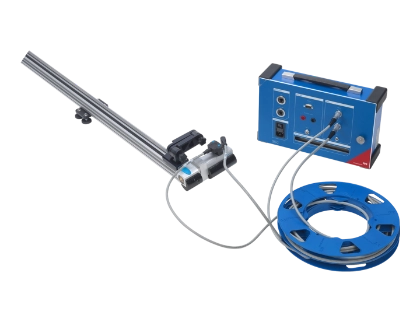
The Stator Core Low Energy (EL CID) test is an offline electromagnetic diagnostic that checks the insulation between stator laminations at low flux levels. It moves a head sensor head along slots, to detect flux leakage caused by shorts. This test is easier to set up than high-flux tests and effectively identifies hotspots that could melt the core. Performed every 5–10 years or after a major event, such as machine rewinding or post-repair, the CPC 100 with its Stator Core Measurement Upgrade Option is our recommended automated mapping solution. Related standards include IEEE 62.2 or IEEE 56.
The capacitance and dissipation/power factor (Tan Delta) measurement is an offline AC test that evaluates stator ground wall insulation by measuring the ratio of resistive losses to capacitive current. It serves as a comprehensive "health check" to detect general aging, thermal degradation, moisture, and delamination, enabling trend analysis throughout the insulation’s life. The test is performed during maintenance outages according to the IEC 60034-27-3 or IEEE 286 standard using tools such as our CPC 100 with CP TD12/15 and the optional CP CR600 or our TANDO 700 testing solution.
Offline Partial Discharge (PD) testing is a sensitive diagnostic method for detecting localized insulation defects like voids, delamination, deterioration of semiconductive layers, or surface tracking in stator windings. Energizing the machine with an external source allows it to capture high-frequency pulses resulting from these defects at an early stage. Unique PRPD patterns help experts classify specific defects by their level of urgency. The PD test is performed to ensure high-quality insulation with tools such as our MPD 800 system during factory tests, commissioning, and maintenance outages according to IEC 60034-27-1, IEEE 1434, and IEC 60270 standards.
Online Partial Discharge (PD) monitoring tracks insulation quality continuously under real-world operating stresses–such as electromagnetic forces and thermal cycles–which offline tests cannot replicate. By detecting degradation in real time, this approach enables proactive, condition-based maintenance that minimizes unplanned downtime and prevents costly stator failures. By using permanently installed sensors to detect high-frequency pulses, PD monitoring identifies load-dependent defects, like coil loosening and end-winding contamination. It enables condition-based maintenance, following standards like IEC 60034-27-2 to track degradation rates. We recommend MONTESTO 200 for portable temporary monitoring "spot checks" or our PARAGEMO 400 for permanent, 24/7 monitoring of your most critical generators and motors.
Insulation Resistance (IR) and Polarization Index (PI) measurements are fundamental offline checks for stator ground wall insulation. IR measures resistance with DC voltage to detect surface moisture and contamination, while PI – the 10-to-1 minute resistance ratio – evaluates insulation polarization. These tests reveal major insulation issues, providing a "go/no-go" signal before energization. They are performed annually or before restarting a machine according to the IEC 60034-27-4 or IEEE 43 standard. We recommended our DIRANA system for this analysis, which offers high-precision metrics.
The Stator Core Low Energy (EL CID) test is an offline electromagnetic diagnostic that checks the insulation between stator laminations at low flux levels. It moves a head sensor head along slots, to detect flux leakage caused by shorts. This test is easier to set up than high-flux tests and effectively identifies hotspots that could melt the core. Performed every 5–10 years or after a major event, such as machine rewinding or post-repair, the CPC 100 with its Stator Core Measurement Upgrade Option is our recommended automated mapping solution. Related standards include IEEE 62.2 or IEEE 56.
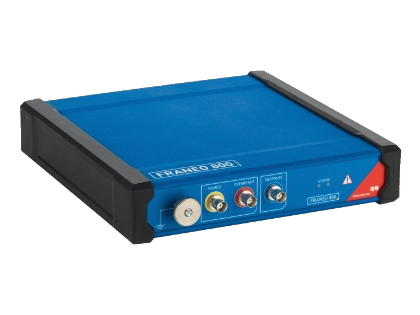
Sweep Frequency Response Analysis (SFRA) detects hidden winding defects. This offline diagnostic method is highly sensitive and detects inter-turn shorts that DC tests and other methods may miss. It’s crucial for performing FAT on smaller machines or rotor windings on larger generators and motors. It reveals winding shorts and ground faults. For a complete analysis, we recommend our FRANEO 800, which detects even the slightest structural changes with its industry-leading dynamic range.
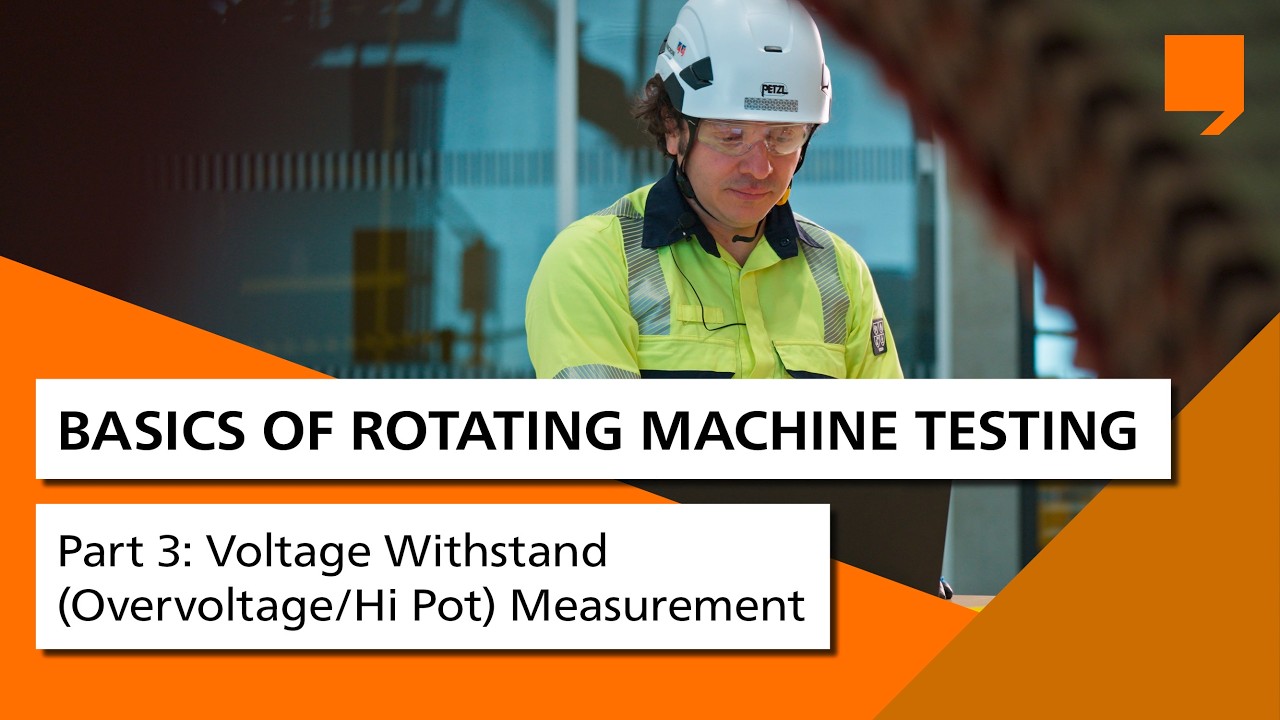
The voltage withstand (also known as Overvoltage or Hi-Pot) measurement is an offline pass/fail stress test for rotating machines. Applying AC or DC voltage higher than the rated level to stator or rotor windings verifies dielectric strength and ensures the insulation can handle operational over voltages. It reveals critical weaknesses that could cause ground faults. It is performed during FAT, SAT, or after maintenance overhauls per the IEC 60034-1 or IEEE 62.2 standards using tools such as our CPC 100 with CP TD12/15 and the optional CP CR600.
DC winding and contact resistance measurements are offline tests targeting the integrity of stator and rotor copper conductors. Injecting stable DC current identifies bad connections, corroded joints, or broken strands that can lead to localized overheating. This high-precision check ensures electrical continuity and prevents insulation failure. These measurements are performed with high-current injections using tools such as our CPC 100 during SAT or maintenance according to the IEC 60034-1 standard.
The pole impedance measurement is an offline AC diagnostic method used to identify inter-turn shorts in rotor windings. It detects impedance imbalance by applying AC voltage to the rotor and measuring the current and the voltage drop at each pole. A lower impedance indicates shorted turns, which cause thermal issues and/or magnetic imbalances. Performed during major overhauls, using our CPC 100 tool is ideal for stable AC sourcing and automated data recording.
Sweep Frequency Response Analysis (SFRA) detects hidden winding defects. This offline diagnostic method is highly sensitive and detects inter-turn shorts that DC tests and other methods may miss. It’s crucial for performing FAT on smaller machines or rotor windings on larger generators and motors. It reveals winding shorts and ground faults. For a complete analysis, we recommend our FRANEO 800, which detects even the slightest structural changes with its industry-leading dynamic range.
The voltage withstand (also known as Overvoltage or Hi-Pot) measurement is an offline pass/fail stress test for rotating machines. Applying AC or DC voltage higher than the rated level to stator or rotor windings verifies dielectric strength and ensures the insulation can handle operational over voltages. It reveals critical weaknesses that could cause ground faults. It is performed during FAT, SAT, or after maintenance overhauls per the IEC 60034-1 or IEEE 62.2 standards using tools such as our CPC 100 with CP TD12/15 and the optional CP CR600.
DC winding and contact resistance measurements are offline tests targeting the integrity of stator and rotor copper conductors. Injecting stable DC current identifies bad connections, corroded joints, or broken strands that can lead to localized overheating. This high-precision check ensures electrical continuity and prevents insulation failure. These measurements are performed with high-current injections using tools such as our CPC 100 during SAT or maintenance according to the IEC 60034-1 standard.
The pole impedance measurement is an offline AC diagnostic method used to identify inter-turn shorts in rotor windings. It detects impedance imbalance by applying AC voltage to the rotor and measuring the current and the voltage drop at each pole. A lower impedance indicates shorted turns, which cause thermal issues and/or magnetic imbalances. Performed during major overhauls, using our CPC 100 tool is ideal for stable AC sourcing and automated data recording.
Identifying insulation degradation and mechanical abnormalities in rotating machines before they result in catastrophic failure. It shifts maintenance from reactive (fixing what’s broken) to predictive (fixing what’s failing).
Unscheduled downtime, high repair costs (rewinding a failed motor is far more expensive than cleaning one), and significant safety risks, such as arc flashes or fires caused by an insulation breakdown.
It extends a machine’s life. Diagnosing faults and monitoring trends, lets you perform minor reconditioning, such as cleaning, repairing or replacing certain parts. This prevents the need for a full, costly replacement of the machine at an unplanned moment.
The difference between these two testing methods is as follows:
There are a wide variety of electrical tests you can perform on rotating machines. The most essential of these include the following off-line electrical tests for assessing your machine’s stator winding condition and insulation:
A single "pass" can only confirm if a machine is safe today. Tracking data over time (trending) reveals the rate of degradation, allowing engineers to predict when a machine will reach a high-risk level.
While a standard offline PD test provides a snapshot in time, PD monitoring allows you to measure PD activity in different operating conditions providing a continuous view of a machine’s behavior throughout its life. Predefined system alert thresholds notify you when a situation needs to assessed so you can plan condition-based maintenance that prevents failures and extends the machine’s operating life.
In addition to standard electrical tests and PD monitoring used to assess stator winding insulation condition, it’s also important to perform the following tests because they inspect a stator core’s mechanical and magnetic integrity and a rotating machine’s rotor:
Looking for some guidance on this topic?