Compliance and Reporting

Structured Audit Evidence
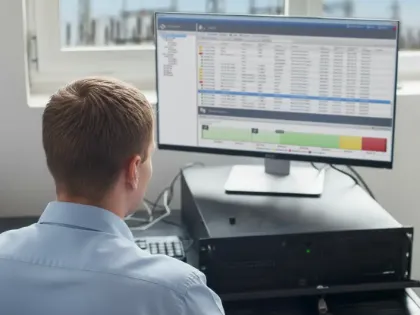
Audits require a provable chain from asset inventory to configuration state, maintenance intervals, and test evidence (not just stored files). In practice, that chain is often scattered across spreadsheets, file shares, and contractor handovers. Our solution maintains a structured operational record for primary and secondary assets, tests, maintenance events, and firmware status, providing reporting views for engineering and compliance teams. Work orders and costs remain in your EAM.
Challenges
Managing Compliance at Scale
The hardest part is producing consistent, reviewable evidence across teams, vendors, spanning years for modern power grids, especially when systems, teams, and standards are not aligned.
Fragmented Test Evidence across Grid Systems
Test evidence for primary and secondary grid assets is often scattered across emails, spreadsheets, vendor tools, and local folders. Teams spend more time proving what was done than improving system reliability, while missing context (who, when, what, and why) and inconsistent data weakens audit defensibility.
Audit Pressure
Audit questions are often simple: Which settings revision was issued versus applied? Which firmware is installed? Which assets missed their maintenance interval? If configuration and maintenance history are not governed, answers depend on manual reconstruction.
Multiple Regulatory frameworks
Expectations differ by region and frameworks such as IEC 62443 (industrial cybersecurity standard for automation and control systems), NIS2 (EU Network and Information Security Directive), and NERC CIP (North American Electric Reliability Corporation Critical Infrastructure Protection standards), including PRC-005 for protection system maintenance. The operational burden arises when reporting becomes a manual project, and “audit-ready” status depends on individuals rather than on a repeatable process.
Limited Asset Analytics
Without structured, centralized data, utilities are limited to static reporting rather than in-depth analysis.
This prevents teams from identifying trends, detecting early signs of asset degradation, or benchmarking performances across similar assets, leading to reactive, rather than instead data-driven, maintenance strategies.
Inconsistent Reporting
Different teams and vendors often document test results in various formats and tools such as PDFs or isolated files, making them difficult to access and reuse over time. This lack of standardization limits visibility into overall asset metadata and maintenance history.
Governance and Compliance
Audit- Ready Evidence Built into Workflow
For compliance, asset governance produces reviewable evidence as work is performed. Our solution provides report widgets and exports for quickly reviewing coverage.
Five C’s of auditing
- Criteria: required maintenance intervals, configuration policies, evidence requirements
- Condition: what is currently installed and what maintenance was actually performed
- Cause: why gaps occurred (missing metadata, missed intervals, unmanaged revisions)
- Consequence: risk, downtime exposure, audit findings, remediation cost
- Corrective action: documented follow-ups, owners, and evidence of closure
Data and Reporting
Consistent Data, Predictable Audits
Centralized access to this record enables teams to review results, generate standardized reports, and maintain full traceability of what was done, when it was done, and under which configuration. This improves data quality, reduces manual effort, and ensures that compliance documentation remains reliable and easy to access when needed. Reporting views and exportable evidence packages support internal review and audit preparation without manual reconstruction.
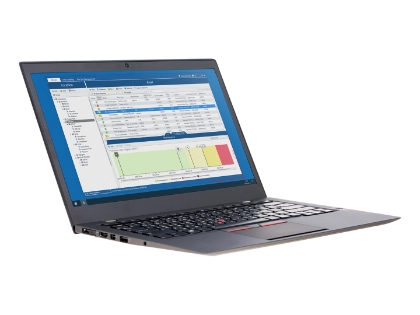
ADMO-with-InSight is ideal when you need a standardized evidence record for IEDs and secondary assets
- Audit-ready documentation
A consistent, reviewable evidence chain for internal controls and audits - Configuration and change traceability
Settings revision history (issued, applied, verified) and firmware visibility per device - Evidence continuity across teams and vendors
One governed record for documents and results from spreadsheets, Portable Document Format files, and contractor reports - Handover-proof follow-up
Review workflows and corrective-action traceability so findings don’t disappear between teams
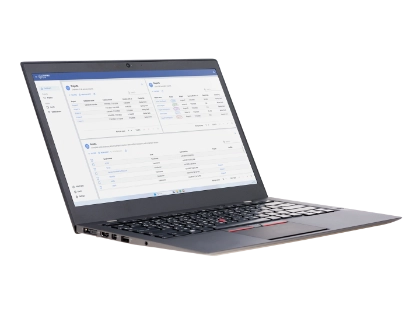
CORTEX Grid is ideal when you need actionable primary asset assessments
- Cross-asset analysis beyond static reporting
Compare assets across locations, types, and populations - Trend detection and benchmarking
Spot patterns over time and benchmark performance across similar assets - Portfolio-level prioritization
Surface outliers, early warning signals, and “where to focus next” across the fleet - Data-driven maintenance strategy
Support risk-based planning and performance analysis using consistent evidence history - CORTEX includes the standardized evidence record and adds portfolio-level insight and prioritization.
Related Products
How can compliance and reporting solutions add value to existing tools, such as work order management systems?
Compliance and reporting solutions provide a deeper understanding of electrical assets and testing data. They can tailor data views to group and interpret different data points, offering new insights that support data-driven decision-making.
How do compliance and reporting solutions improve reporting processes?
Compliance and reporting solutions centralize asset and test data, and structures for consistent reporting. Reports can be generated automatically using standardized formats, reducing manual effort and ensuring consistent, audit-ready documentation across projects and teams.
Can reports be standardized across different teams and regions?
Yes, standardization starts at the evidence layer (consistent asset identifiers, required metadata, and governed records) and extends to reporting (shared report structures, dashboards, and exports). This improves comparability across assets, projects, and regions while supporting compliance requirements.
What kind of evidence and reports can typically be produced for audits and internal controls?
Typical outputs include maintenance interval status by asset and location (last performed and next due), revision history settings (issued versus applied, with verification where used), firmware visibility by asset family, and exportable audit packages combining evidence files, metadata, and context for review.
Can reports include data from multiple assets and tests?
Yes, the compliance and reporting solution supports multi-asset reporting by consolidating data from different tests, assets, and time periods into a single report. This enables comprehensive analysis and clear documentation at both asset and fleet levels.
How are reporting errors and inconsistencies reduced?
They can be minimized by reducing manual consolidation and enforcing structured evidence capture (consistent identifiers, required metadata, governed records). Standardized report structures and repeatable workflows reduce copy/paste errors and improve consistency across teams.
Do ADMO and CORTEX Grid need to be used together?
Not necessarily. If your primary goal is audit-ready evidence and traceable asset history, start with ADMO with InSight. If you need cross-asset analysis and prioritization at scale, along with standardized, traceable documentation, you should add CORTEX Grid.
Looking for some guidance on this topic?