Power Transmission Grids
Reliable and Secure High-Voltage Transmission Grids
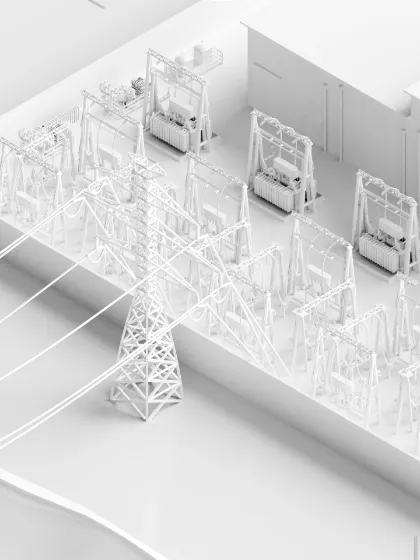
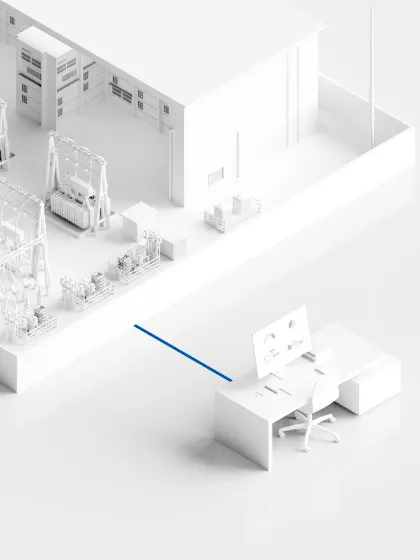
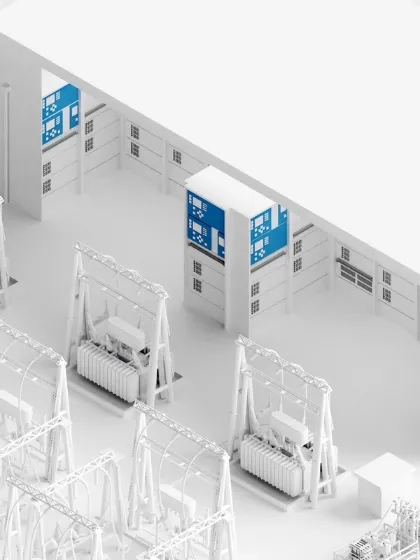
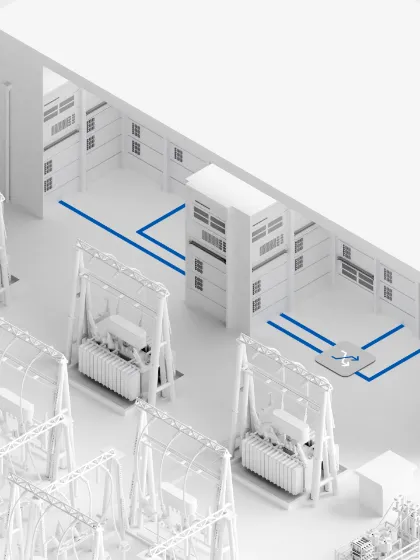
Power transmission grids are the backbone of modern infrastructure, transporting massive amounts of energy over long distances. Your mission is to ensure power grid reliability, maximize asset performance, and enable the digital transformation of high voltage power systems. To stabilize your infrastructure, we provide a holistic toolset that enables primary asset diagnostics, protection and substation automation testing, data management, and cybersecurity to streamline your operations.
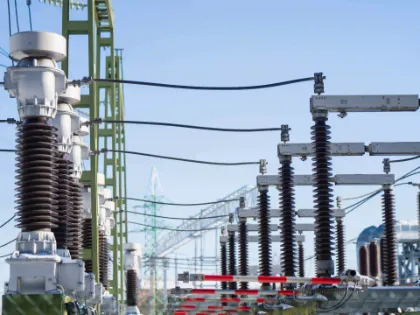
Securing Critical EHV and HV Infrastructure
Power transmission grids focus on extra-high voltage (EHV) and high-voltage (HV) infrastructure managed by Transmission System Operators (TSOs). We stand by you as an essential partner, providing automated testing and real-time monitoring for engineers responsible for critical grid nodes. Our high-precision solutions instill high confidence in system interoperability while achieving asset reliability and operational safety across vast, complex networks.
Key Focus Areas and Methodologies
Efficient transmission power grids rely on these methodologies to ensure maximum operational reliability, safeguard critical infrastructure, and simplify the complexities of modern digitalized networks.
Balancing Capacity and Aging Assets
Power transmission grids face pressure to increase capacity while maintaining power grid reliability amid aging assets. Key problems include the requirement for "Dynamic Line Rating" to boost capacity and the expanding cyber-attack surface of digitized substations. Typical risks include costly outages in high voltage power systems caused by undetected faults, underscoring the need for continuous, proactive monitoring to protect infrastructure from both functional errors and malicious activity.
Compliance with Global Transmission Standards
Transmission power grids adhere to international frameworks to ensure operational integrity and regulatory compliance across critical infrastructure.
Central for substation automation communication, GOOSE, and Sampled Values.
Mandatory adherence to NIS2 and NERC CIP for critical infrastructure.
Secures DNP3 and IEC 60870-5-104 within modern architectures.
Global standards for diagnostic measurements on high voltage power systems.
The Automated Transmission Horizon
The future of the power transmission grid is moving toward smarter, automated, and resilient systems. The sector will prioritize Digital Twins to optimize power transmission systems in real-time. As AI-driven analytics enable predictive maintenance, success will be defined by a shift toward security-by-design and hardened, virtualized test sets to integrate volatile renewables reliably into the high-voltage grid.
Value & Outcomes
Efficiency Gains
Improve productivity through user-friendly substation automation that bridges the global talent gap.
System Confidence
Maximize power grid reliability with early fault detection and high-precision diagnostic measurements.
Grid Resilience
Extend the service life of expensive HV equipment while securing the digital transformation of critical nodes.
Related Applications





Related Products
What is the main challenge for modern transmission grids?
Integrating renewable energy while maintaining power grid reliability under increasing demand from industrial electrification and large-scale data centers.
Why is condition monitoring important?
It enables early fault detection in high voltage power systems, preventing catastrophic outages and extending the service life of critical assets.
How does OMICRON support workforce challenges?
We provide intuitive, automated substation automation testing solutions, extensive training, and 24/7 expert support to help bridge the skilled talent gap.
How can we track the testing and maintenance status of our assets?
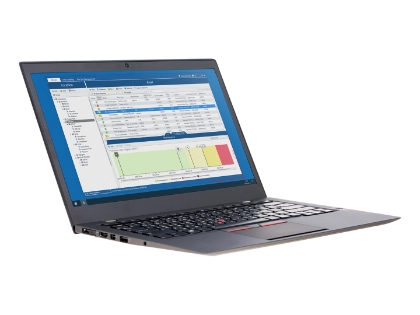
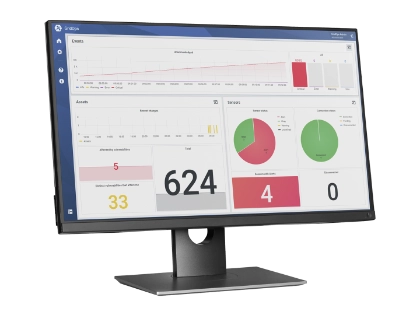
Our ADMO system provides central planning and management for all engineering and maintenance data in power transmission systems, ensuring data integrity, availability, and security.
How does OMICRON support TSOs in cybersecurity?
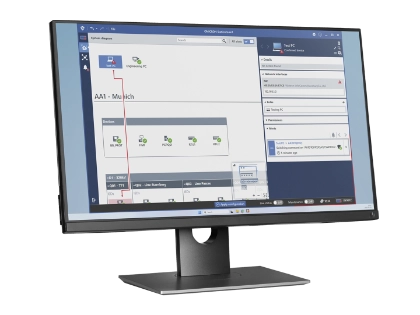
Our StationGuard system detects threats in substation automation networks without requiring deep IT knowledge, while our SSDLC development process ensures test sets never serve as a gateway for attacks.