Asset Condition Management
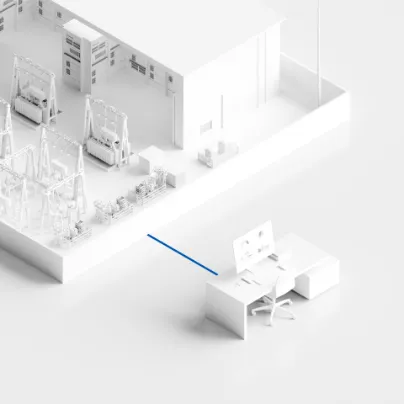
From Asset Condition Records to Asset Insights
Asset condition management helps turn test results into reliable decisions about asset health and performance.
Condition-based decisions depend on continuity and need consistent context: what you test, under which
pre-conditions, and how results evolve over time. When data is fragmented across files and tools, you cannot compare your assessments.
Structuring diagnostic data into a comparable history allows you to benchmark assets, detect trends, establish baselines, identify deviations and early signs of aging, and prioritize condition-based maintenance actions backed by evidence. You can improve maintenance strategies and manage the asset lifecycle effectively.

Challenges
Fragmented Asset Data Limits Decisions
Asset data management helps you maintain consistent information, context, and evidence throughout the asset lifecycle. When data is fragmented, inconsistent, or inaccessible, conducting condition assessments or making reliable decisions is cumbersome.
Disconnected asset condition record
Asset condition assessment depends on comparing results over time, for example, with repeated testing.
When condition history is split across databases or inconsistent formats, trend continuity is lost. Information stays isolated across departments and lifecycle stages, limiting transparency.
Without end-to-end visibility, you cannot perform holistic analysis or justification for follow-up or deferral.
Manual and non-comparable data
Even when data is available, you often need to export, transform, and consolidate it manually across tools and teams. This process takes time, introduces errors, and depends on individual expertise. Inconsistent metadata or missing context, such as naming, methods, and condition, prevent you from comparing results. You cannot establish baselines, benchmark similar assets, or conduct a reliable degradation assessment.
Predictive maintenance
Asset teams need to prioritize across a fleet, rather than reviewing assets one by one. Without an understanding of the asset condition, you react to alarms or outages instead of acting early.
With fleet views and filters, you can sort data by location, asset type, status, and open follow-ups. You can identify outliers and aging patterns, and prioritize actions across your assets more effectively.
Inconsistent assessments and reporting
Without structured lifecycle data, you must assess assets differently across teams and regions. Differences in criteria and evaluation methods prevent you from comparing results and benchmarking across fleets. They also weaken condition-based maintenance decisions.
Limited lifecycle traceability
Asset information from factory acceptance testing, commissioning, and field operation is rarely linked in a continuous digital thread. Documentation may exist, but it is not consistently structured or version-controlled. As a result, you cannot compare FAT to field results or analyze long-term trends.
Evidence and Checks for Condition
You can capture diagnostic results with relevant metadata, such as asset, method, date, and context.
This includes:
- Trend views with measurement results from previous testing activities
- Asset condition views with evidence and rationale for follow-up or deferral
- Fleet dashboards that highlight overdue checks or outliers based on defined criteria
- Decision traceability with reviewer, referenced evidence, changes, and timestamps
Assessment Methods
Compare similar assets across the fleet to identify aging discrepancies. Filter the database to find similar assets based on voltage level, age or manufacturer. You can visualize deviations to understand asset conditions at a glance.
Benchmark a single asset against a broader fleet to understand its relative condition and degradation. Narrow the dataset to comparable units using criteria such as voltage level, age, or manufacturer. You can visualize how the asset deviates from its peers to quickly identify outliers, emerging issues and above-average performance, and to support data-driven maintenance and risk assessments.
Benchmark field measurements against factory acceptance test (FAT) results to assess condition changes from baseline performance. Enter FAT data from documentation or designate a historical measurement as the reference. You can compare deviations across key parameters, visualize shifts over time, and identify early signs of degradation or anomalies relative to the original factory condition.
Track measurement results over time to identify trends in asset condition and performance. You can analyze changes from repeated tests and detect gradual degradation, emerging anomalies, or stabilization effects.
Connected Data
From Asset Condition Records to Data-Driven Decisions
Structured Condition Records and Workflows
Enabling reliable condition assessment requires maintenance and diagnostic data to be captured within a consistent context.
This ensures:
- Comparable condition records over time
Link diagnostic results to asset, test method, configuration, and lifecycle events - Continuous condition history
Maintain a structured record that can be reviewed, compared, and extended - Clear visibility and prioritization
Access data through asset views and dashboards to identify follow-ups - Actionable workflows
Integrate with EAM and CMMS systems to translate insights into maintenance actions


Asset Condition Assessment and Analytics
Structured condition data enables advanced analysis across assets and time.
This enables:
- Benchmarking and comparison
Compare assets across fleets, locations, and similar units - Trend analysis and degradation detection
Identify patterns, deviations, and early signs of asset deterioration - Anomaly detection
Detect outliers and performance changes relative to baselines - Condition-based maintenance decisions
Prioritize actions based on asset condition, risk, and performance - Lifecycle and risk-based planning
Improve reliability and optimize long-term asset strategies
Enabling reliable condition assessment requires maintenance and diagnostic data to be captured within a consistent context.
This ensures:
- Comparable condition records over time
Link diagnostic results to asset, test method, configuration, and lifecycle events - Continuous condition history
Maintain a structured record that can be reviewed, compared, and extended - Clear visibility and prioritization
Access data through asset views and dashboards to identify follow-ups - Actionable workflows
Integrate with EAM and CMMS systems to translate insights into maintenance actions
Structured condition data enables advanced analysis across assets and time.
This enables:
- Benchmarking and comparison
Compare assets across fleets, locations, and similar units - Trend analysis and degradation detection
Identify patterns, deviations, and early signs of asset deterioration - Anomaly detection
Detect outliers and performance changes relative to baselines - Condition-based maintenance decisions
Prioritize actions based on asset condition, risk, and performance - Lifecycle and risk-based planning
Improve reliability and optimize long-term asset strategies
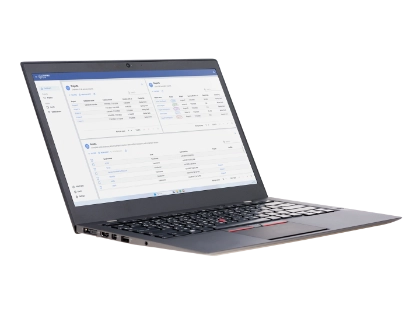
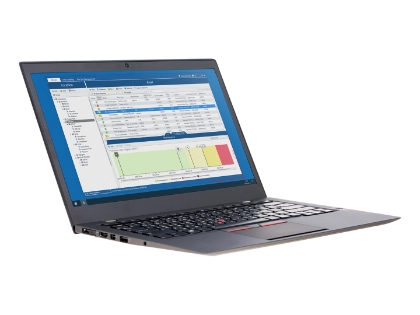
Related Products
What exactly is an asset condition record and an asset condition evaluation?
An asset condition record gives you a structured history of diagnostic results and supporting evidence. Linking measurements to the asset, test method, date, configuration, and maintenance context allows you to compare results consistently, trace decisions, and justify them.
Asset condition evaluation helps you benchmark, analyze trends, and compare assets. You can identify degradation, detect anomalies, and assess asset health based on historical and fleet-wide data.
How do access rights and roles function across teams and vendors?
You can define access rights and roles to control who can view, edit, and approve data. This ensures consistent data handling and clear responsibilities across teams and contractors.
Does this replace our EAM or APM systems?
No. Enterprise Asset Management (EAM) and Asset Performance Management (APM) systems manage work orders, planning, costs, and asset condition. These solutions complement them by structuring diagnostic condition data and enabling condition-based assessment and decision-making.
How should I handle multiple data sources and inconsistent reports?
Asset condition data is standardized in the evidence layer using consistent asset identifiers, required metadata, and structured storage. This ensures that diagnostic results from different tools and formats become comparable and usable for your analysis.
Can I compare assets with different asset conditions or asset configurations?
Yes, you can filter and normalize data based on parameters such as voltage level, age, manufacturer, or configuration. This enables meaningful comparisons between technically similar assets and supports benchmarking across fleets.
How are reference values for asset condition assessment defined?
Reference values can be based on factory acceptance test (FAT) results, historical measurements, or comparable assets within a fleet. You use these baselines to detect deviations, assess degradation, and support condition-based decisions.
How does the Asset condition management application solution support asset condition-based maintenance?
You can structure diagnostic data and analyze trends, benchmarks, and anomalies. This helps you detect aging early and prioritize maintenance based on asset condition, risk, and performance.
How can I ensure consistent asset condition assessments across teams?
You can use a unified data model, automated data structuring, and standardized measurement handling. This ensures consistent, comparable, and high-quality assessments across teams.
Looking for some guidance on this topic?