News
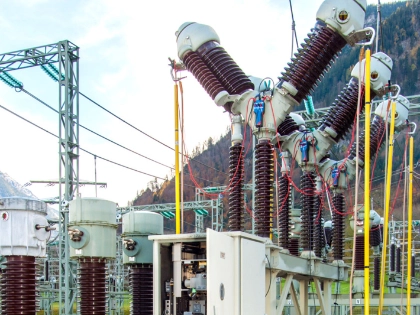
Safe Timing Measurements on Circuit Breakers Using Grounding on Both Sides
August 13, 2026
Managing rotating electrical machines today requires a careful balance between maintaining reliability and navigating limited budgets. As industrial motors and power generators age, asset managers and maintenance engineers face the increasing challenge of ensuring long-term health while managing a shortage of specialized labor.
Because high-voltage generators and medium-voltage motors drive critical infrastructure and production, unexpected downtime is costly. Transitioning from reactive to condition-based maintenance is the most effective way to manage these risks.
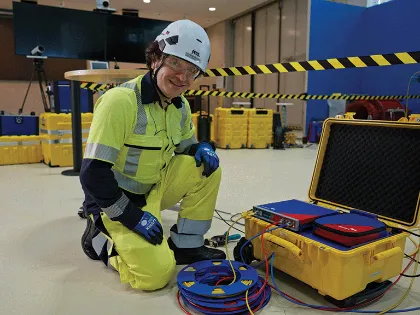
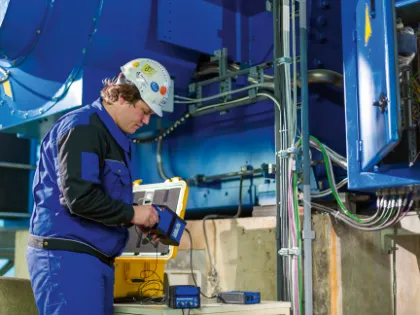
Operational stress causes inevitable wear and tear on the critical parts of a rotating machine. To get a full picture of an asset’s health, specialized electrical testing is required to investigate these areas without a full teardown.
By investigating these specific components, you can reliably assess machine condition, justify maintenance budgets with hard data, and plan interventions to avoid unplanned outages.
Assessing the insulation, which is often the most vulnerable component and rarely visible to standard sensors.
Testing for inter-laminar insulation defects to prevent localized overheating.
Identifying electromechanical defects and integrity issues that can lead to failure.
To support your maintenance strategy, we have developed a comprehensive eBook: The Basics of Rotating Machine Testing (available in English). This free resource provides a clear introduction to essential testing and monitoring techniques for stator windings, stator cores, and rotor winding.
What’s inside:
Designed for use in the office or in the field, you can access this guide on your computer, tablet, or smartphone.