HVX10
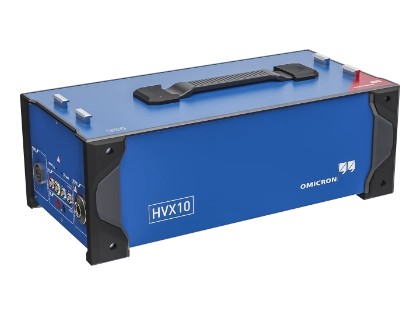
14.8 kg/ 32.7 lb
10 kV AC or DC from a single output
1–600 Hz output frequency and DC
4 × measurement input channels measure 4 bushings without rewiring
Highly accurate measurements, up to 10 kV VT Ratio measurement
Connect fast & simple with “Click-Snap-Lock”-mechanism
The Power Factor for Testing
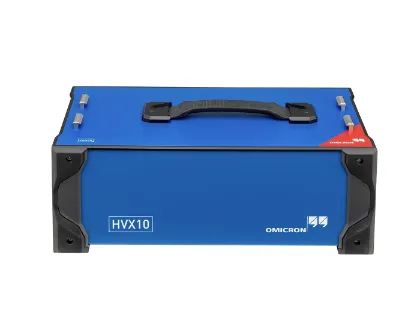
The optional HVX10 system component combines Capacitance, Dissipation/Power Factor, and Insulation Resistance testing into a single compact, lightweight device.
Its integrated high-voltage source provides both AC and DC from a single output, while HVX10 enables fast setup and efficient insulation diagnostics with minimal cabling efforts.
An optimized test procedure, combining voltage and frequency sweeps from 1–600 Hz, provides deep insight into insulation behavior at mains frequency and beyond. This allows you to quickly detect issues such as moisture ingress, premature aging, and voltage-dependent insulation effects, ensuring precise and reliable condition assessment for the asset under test.
Innovative Testing
Capacitance and Dissipation/Power Factor
Capacitance and Dissipation/Power Factor measurements (TanDelta) are essential for assessing the condition of insulation systems. CPX 200 and HVX10 provide precise, reliable results for voltages up to 10 kV AC and frequencies from 1–600 Hz, enabling early detection of insulation issues.
Insulation Resistance including PI and DAR
Insulation Resistance measurements, including PI and DAR, are field proven methods for evaluating overall insulation condition.
VT Ratio up to 10 kV AC
VT ratio measurements up to 10 kV AC enable precise verification of voltage transformer ratios using the HVX10’s highly accurate voltage measurements.
Transformer Exciting Current (coming soon)
Transformer Exciting Current measurement (coming soon) assesses core magnetization characteristics and helps detect issues such as shorted turns or residual magnetism.
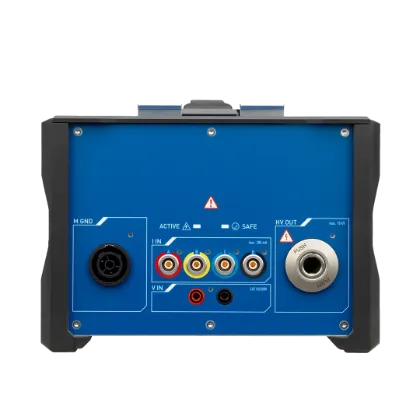
HVX10 Connections
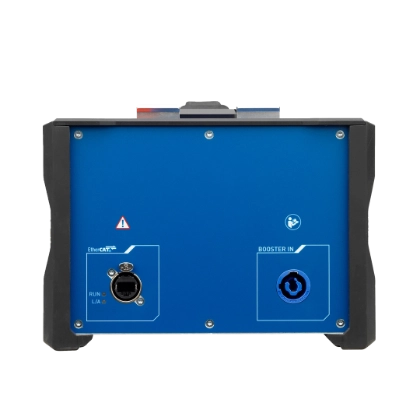
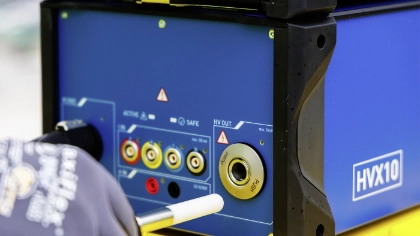
BOOSTER IN power supply from the CPX 200
Ether CAT connection to the CPX 200
Click-Snap-Lock - Full Power
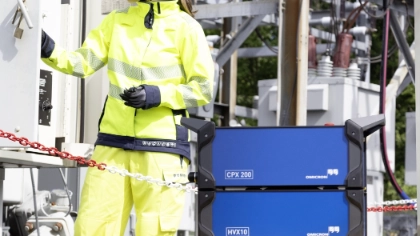
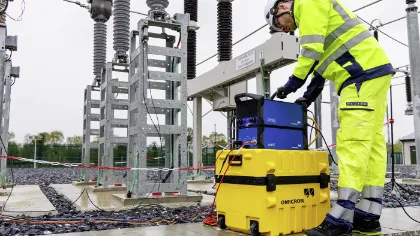
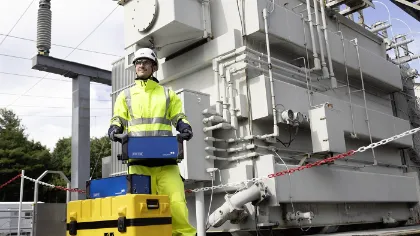
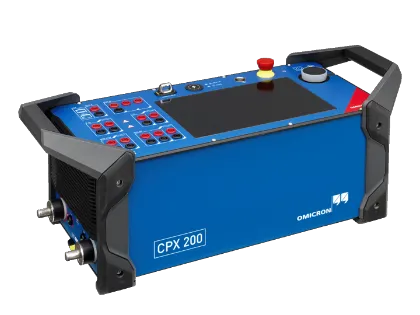
With its quick-release mechanism, the HVX10 effortlessly connects to the CPX 200 rapidly and securely. Its lightweight design makes it easy to use both devices together across the substation, ideal for testing entire bays and feeders.
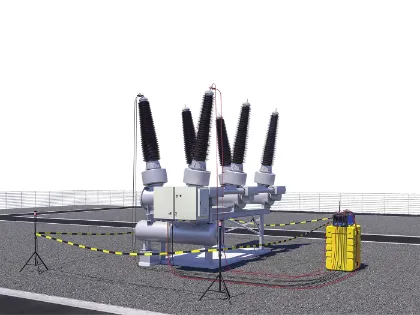
Our light, compact high-voltage cable and four measurement inputs provide a fast setup that enables transformer bushing measurements without rewiring. A separate voltage input also ensures highly accurate voltage transformer measurements up to 10 kV.
Related Products
How does the wide 1–600 Hz frequency range help analyze the condition of the asset under test?
Testing Dissipation/Power Factor (TanDelta) across a wide frequency range of 1 to 600 Hz provides deeper insight into insulation condition than a single-frequency test. It helps detect aging, moisture, contamination, and other dielectric issues earlier, enabling more reliable asset assessment and maintenance decisions.
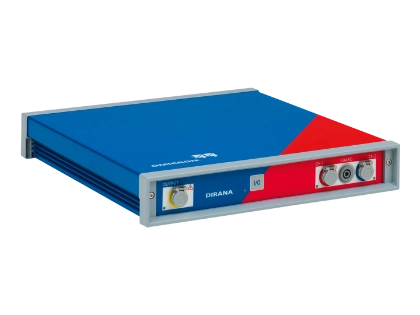
Especially when it comes to power transformers and bushings, it can help you decide whether or not a follow up DFR measurement with DIRANA would be beneficial.
Do I need rewire anything between Insulation Resistance and Capacitance and Dissipation/Power Factor measurements (TanDelta)?
No, since the HVX10 uses the same output for both measurement modes, no rewiring is required between the tests. As an additional benefit, both tests can be reported using the same device.
Can the HVX10 be used for transformer bushing measurements?
Absolutely! The HVX10’s 4 measurement inputs can measure all bushings at a single voltage level without reconnection. Its output voltage of up to 10 kV AC or DC supports standardized measurements at mains frequency and additional condition assessments across a wide frequency range of 1–600 Hz.
Need help deciding?